
Imagine the delight of biting into a crispy, golden dumpling filled with tender chicken and fresh cabbage, bursting with savory flavors that dance on your taste buds. Chicken gyoza is not just a dish; it’s an experience that brings the essence of Japanese cuisine right to your kitchen. Whether you’re planning a cozy dinner for your family or hosting a lively party with friends, this chicken gyoza recipe is sure to impress. Easy to make and packed with delicious ingredients, you’ll find yourself craving these delightful dumplings time and time again.
What Exactly is Chicken Gyoza?
Chicken gyoza is a delightful twist on the traditional Japanese dumplings known as gyoza. The combination of ground chicken, finely chopped cabbage, and a blend of aromatic herbs and spices creates a harmonious balance that makes these dumplings irresistible. Whether you steam, pan-fry, or bake them, chicken gyoza serves as a versatile dish perfect for any meal, be it an appetizer or a main course.
Why You’ll Love Chicken Gyoza
Flavor Profile
Chicken gyoza boasts a savory and umami-rich taste, thanks to the perfectly seasoned chicken and the freshness of the cabbage. Each bite offers a delightful contrast between the crispy exterior and the juicy, flavorful filling, making it a satisfying treat for your palate.
Versatility
Whether you’re preparing an appetizer for a party or a main dish for dinner, chicken gyoza fits seamlessly into any meal plan. Its adaptability allows you to experiment with different cooking methods and pairings, making it a favorite among home cooks and professional chefs alike.
Ease of Preparation
One of the reasons you’ll love chicken gyoza is its simplicity. With straightforward ingredients and an easy-to-follow cooking process, you can whip up a batch of these delicious dumplings in no time. Plus, making gyoza from scratch can be a fun and rewarding experience, perfect for involving the whole family in the kitchen.
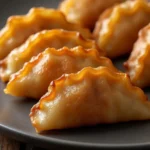
Easy Chicken Gyoza Recipe: Crispy and Flavorful Japanese Dumplings
- Total Time: 30 minutes
- Yield: 24 pieces 1x
- Diet: Gluten Free
Description
Chicken gyoza offers a delicious twist on the classic Japanese dumplings. Filled with ground chicken, finely chopped cabbage, and a fragrant mix of herbs and spices, these dumplings are packed with flavor in every bite. Whether you choose to steam, pan-fry, or bake them, chicken gyoza is a versatile dish that can be enjoyed as an appetizer or a satisfying main course.

Ingredients
For the Gyoza Filling:
- 8 oz ground chicken
- 1 cup cabbage, finely chopped
- 1/2 cup cilantro, finely chopped
- 3 green onions, thinly sliced
- 1 clove garlic, grated
- 1/2 tsp salt
- 1 tbsp soy sauce
- 1 tbsp sake
- 1 tbsp sesame oil
- 1 tbsp Katakuriko (potato starch)
For the Dipping Sauce:
- 1/4 cup ponzu sauce
- 1 tsp Ra-yu chili oil
For the Wrappers:
- 24 gyoza wrappers (homemade or store-bought)
- 1 tbsp vegetable oil (for cooking)
Instructions
Start by preparing your gyoza wrappers. If you’re feeling adventurous, you can make your own from scratch, but store-bought wrappers work just as well. Either way, you’ll need about 24 wrappers for this recipe. Once ready, set them aside, keeping them covered with a damp cloth to prevent drying.
In a small bowl, combine the ponzu sauce and Ra-yu chili oil. This will be your dipping sauce for those crispy, golden gyoza. Stir it together and set it aside, allowing the flavors to meld.
The key to great gyoza is in the filling. Start by finely chopping the cabbage and cilantro. Slice the green onions thinly, and grate the garlic. Add all the ingredients to a large mixing bowl. Then, add the ground chicken, soy sauce, sake, sesame oil, salt, and Katakuriko (potato starch).
Mix everything together thoroughly until well combined. The potato starch helps bind the filling, making it easy to wrap and preventing it from spilling out during cooking.
Now it’s time to fill the gyoza wrappers. Carefully add a teaspoon of the chicken filling to the middle of each wrapper. Be careful not to overstuff, as it will be harder to seal. Moisten the edges of each wrapper lightly with water, then fold the wrapper in half and press the edges together, creating small pleats to securely seal the gyoza. You can also shape the dumplings into a crescent shape, ensuring that they’re tightly sealed.
Gently pour 1 tablespoon of vegetable oil into a large non-stick skillet and warm it over medium heat. Once the oil is shimmering, carefully place the gyoza in the pan, ensuring they remain separated and do not touch. Cook the gyoza for about 2-3 minutes until the bottoms turn a golden brown and become crispy.
After the bottoms turn crispy, pour around 1/4 cup of water into the skillet and immediately cover it with a lid. Allow the gyoza to steam for another 5-7 minutes or until the filling is fully cooked and the wrappers are tender.
Serve the chicken gyoza with the prepared ponzu dipping sauce and enjoy the savory goodness! These dumplings pair perfectly with a hot bowl of miso soup or some sautéed vegetables, making for a complete and satisfying meal.
Notes
Tips for Perfect Gyoza Every Time
- Don’t Overstuff the Wrappers: Too much filling can make the gyoza hard to seal and difficult to cook evenly.
- Freeze Extra Gyoza: If you want to make extra gyoza, you can freeze them before cooking. Arrange the dumplings in a single layer on a baking sheet and place them in the freezer until they are solid. After they are frozen, move the gyoza into a freezer-safe bag for future use. When you’re ready to cook them from frozen, simply add a few additional minutes to the cooking time.
- Customize Your Dipping Sauce: Want a spicier dip? Add more Ra-yu chili oil to the dipping sauce for a kick!
- Use Fresh Ingredients: Fresh cabbage and cilantro make a significant difference in the flavor and texture of the filling.
- Prep Time: 15 minutes
- Cook Time: 15 minutes
- Category: Appetizer, Main Course
- Method: Pan-frying and steaming
- Cuisine: Japanese
Nutrition
- Serving Size: 4 gyoza
- Calories: 100
- Sodium: 400mg
- Fat: 5g
- Carbohydrates: 10g
- Fiber: 1g
- Protein: 7g
Creative Twists on Chicken Gyoza
Flavor Variations
Enhance your chicken gyoza by experimenting with different herbs and spices. Adding a touch of five-spice powder or a sprinkle of chili flakes can elevate the umami profile and introduce a subtle heat. For a more aromatic filling, consider adding a dash of citrus zest.
Filling Alternatives
While chicken and cabbage are classic, feel free to incorporate other vegetables like carrots, mushrooms, or water chestnuts for added texture and flavor. For a protein boost, consider mixing in shrimp or tofu. This approach not only enhances the flavor but also boosts the nutritional value of your dumplings.
Cooking Methods
Beyond the traditional pan-frying method, you can steam or bake your chicken gyoza for a healthier alternative. Steamed gyoza offers a tender texture, while baked dumplings provide a satisfying crunch without the added oil. Arrange the prepared gyoza on a steamer basket lined with parchment paper and steam them for roughly 10 minutes. For baking, preheat your oven to 400°F (200°C), place the gyoza on a baking sheet, brush with a little oil, and bake for 15-20 minutes until golden and crispy.
Pairing Your Chicken Gyoza with Perfect Sides
Dipping Sauces
A delicious dipping sauce can take your chicken gyoza to the next level. Mix soy sauce with rice vinegar and add a dash of chili oil for a spicy kick. Garnish with sesame seeds and sliced green onions for an extra layer of flavor. Alternatively, serving the dumplings with a sweet and sour sauce adds a delightful balance to their savory flavor.
Side Dishes
Complement your chicken gyoza with light and fresh side dishes. A crisp Asian slaw, soba noodles, or steamed vegetables like broccoli and bok choy make excellent accompaniments, balancing the richness of the dumplings. A refreshing cucumber salad with a tangy dressing can also add a burst of freshness to your meal.
Serving and Presenting Chicken Gyoza

How to Plate Like a Pro
Presentation matters! Arrange your chicken gyoza neatly on a large platter, sprinkle with sesame seeds, and add a few sprigs of fresh herbs for a professional touch. Serving them in a bamboo steamer basket can also enhance the authentic feel. Consider using colorful garnishes like thinly sliced radishes or vibrant green onions to make the dish visually appealing.
Serving Suggestions
Serve your chicken gyoza with a variety of dipping sauces and sides to cater to different tastes. Consider offering a sweet and sour sauce alongside the traditional soy-based dip to provide a range of flavor experiences for your guests. For a more substantial meal, pair the gyoza with a hearty bowl of ramen or a light miso soup.
Storage and Reheating Tips
How to Store Dumplings to Maintain Freshness
Store any leftover chicken gyoza in an airtight container in the refrigerator for up to three days. For extended storage, transfer the gyoza to a freezer-safe bag and keep them frozen for up to two months. Make sure to space them out well to avoid sticking together. Additionally, label each bag with the date to monitor their freshness.
The Best Way to Reheat Dumplings
Reheat your chicken gyoza by pan-frying them again to restore their crispy texture. Alternatively, you can steam them in the microwave or bake them in the oven until heated through. Avoid reheating in the microwave alone, as it can make the wrappers soggy. For best results, use a skillet to achieve that perfect golden-brown finish.
Common Mistakes to Avoid with Chicken Gyoza
Overcooking or Undercooking
Achieving the perfect texture is crucial. Overcooked gyoza can become tough, while undercooked ones may have a raw filling. Follow the cooking instructions carefully, ensuring the filling reaches an internal temperature of 165°F (74°C). Keep an eye on the water while steaming to avoid overcooking.
Filling Consistency
A common mistake is having a filling that’s too watery or too dry. Ensure the cabbage is finely shredded and squeezed of excess moisture to maintain the right consistency, resulting in juicy yet firm dumplings. Adding Katakuriko (potato starch) helps bind the filling and prevent excess liquid from seeping out during cooking.
Sealing Dumplings Properly
Improper sealing can cause the filling to leak during cooking. Take your time to press and pleat the edges securely, creating a tight seal that keeps the delicious filling intact. If you’re new to making gyoza, practicing the folding technique can make a significant difference in the final product
Health Benefits
Chicken provides a low-fat source of protein that helps build and repair muscles. Cabbage is rich in vitamins C and K, as well as antioxidants that promote overall health. The use of fresh ingredients ensures that your chicken gyoza is both delicious and beneficial for your well-being. Additionally, using sesame oil adds a dose of healthy fats, while the herbs and spices provide anti-inflammatory benefits.
Frequently Asked Questions (FAQ)
Are Asian chicken dumplings healthy?
Yes, chicken gyoza can be a healthy option, especially when made with lean chicken and plenty of vegetables like cabbage. Opting for steaming instead of frying can further reduce the calorie and fat content, making them a nutritious choice for any meal.
What are Asian dumplings made of?
Asian dumplings typically consist of a filling, which can include meat, vegetables, or a combination of both, wrapped in a thin dough wrapper. Common fillings include chicken, shrimp, and various vegetables like cabbage and green onions, providing a diverse range of flavors and textures.
Why are my chicken dumplings not fluffy?
If your chicken dumplings are not fluffy, it may be due to excess moisture in the filling or overworking the dough. Ensure the cabbage is well-drained and avoid overmixing the filling to maintain a light texture. Using potato starch helps bind the filling without making it too dense.
What is the best way to cook dumplings?
The best way to cook dumplings depends on your preference. Pan-frying followed by steaming is popular for achieving a crispy bottom and tender top. Steaming is great for a softer texture, while baking offers a crunchy alternative without added oil. Experiment with different methods to find your favorite.
What is the most popular dumpling?
One of the most popular dumplings globally is the Chinese jiaozi, which closely resembles gyoza. They are enjoyed in various forms across many Asian cuisines and have a wide range of fillings and cooking methods, making them a beloved dish worldwide.
Are dumplings Chinese or Japanese?
Dumplings are enjoyed in many Asian cultures, including Chinese and Japanese cuisines. While they share similarities, each culture has its unique variations and names, such as jiaozi in China and gyoza in Japan. Both versions offer a delicious and satisfying meal option.
What are some unhealthy risks to eating dumplings?
Dumplings can be high in sodium and fat, especially when fried. To make them healthier, opt for steaming instead of frying and use lean proteins and plenty of vegetables in the filling. Moderation is key to enjoying dumplings as part of a balanced diet.
How many dumplings should one person eat?
Typically, 6-8 dumplings per person make a satisfying appetizer, while 10-12 dumplings can serve as a main course. Adjust the quantity based on the size of the dumplings and the appetite of your guests to ensure everyone leaves the table happy and full.
share your creations and experiences
Chicken gyoza is more than just a delicious dish—it’s a versatile and satisfying meal that brings people together. Whether you’re a seasoned cook or trying your hand at dumplings for the first time, this recipe offers a perfect balance of flavor, texture, and ease of preparation. By following these steps, you can create restaurant-quality chicken gyoza right in your own kitchen. For another savory chicken recipe, try our Pulehu Chicken—grilled over an open flame with a mouthwatering marinade. Give this recipe a try and enjoy the satisfaction of creating and sharing these mouthwatering dumplings with your loved ones. We’d love to hear about your chicken gyoza adventures, so be sure to share your creations and experiences!


